



Game localization


Our detailed QA processes encompass linguistic reviews to ensure the game’s narrative and audio are precisely localized, as well as functional and visual checks to identify and rectify any gameplay issues. This comprehensive approach guarantees a seamless gaming experience in every language.
We prioritize close collaboration with developers from the outset to the completion of the project. By establishing a detailed style guide and maintaining open lines of communication, we ensure that every facet of the localization is in perfect alignment with your vision and objectives.
We prefer to meet with our clients online and to discuss the potential projects in detail. If you are interested in arranging a meeting, just 📅click here to book your appointment. You can also call us, write us an e-mail, use the provided form, or contact us using one of the instant messaging apps. All the contact details are listed below.

At Skrivanek, we’re tuned into the dynamic world of gaming and the exciting possibilities that emerge when we bridge language and cultural gaps. Our language services are tailored to produce an immersive gaming experience for gamers all around the world. If you’re gearing up to release your game in multiple markets and are on the lookout for a partner to navigate the language gap and deliver a high quality product, we’ve got you covered. Our team of project managers and linguists is highly experienced in game translation, ensuring your narrative, dialogues, user interface, names of items and mechanics, and any other text sound as natural to the end user as they did to the writer that brought them to life. Feel free to reach out to us, you will find out that we are as passionate about games as you are, and we can’t wait explore how we can contribute to your project’s success.
Localized games
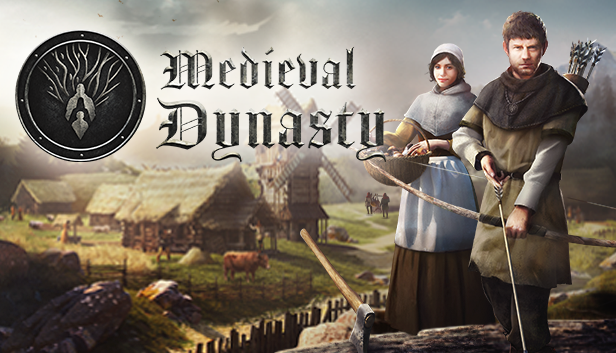
Medieval Dynasty
Genre: RPG
Platform: PC
Languages: Hungarian, Japanese, Italian, Korean
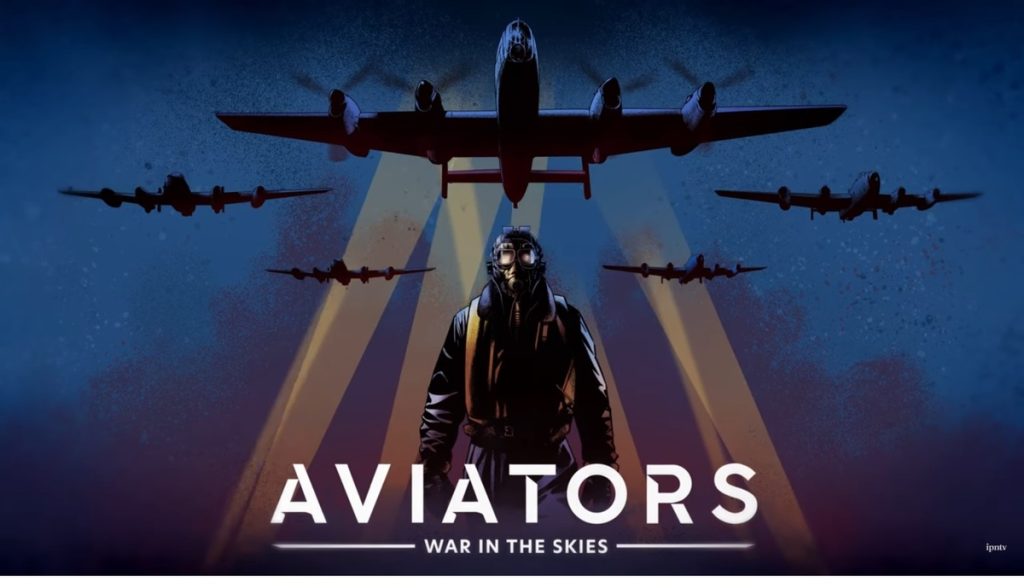
Lotnicy
Genre: FPP
Platform: PC
Languages: Japanese, Chinese, German, French, Ukrainian, Russian, Spanish, Italian, English
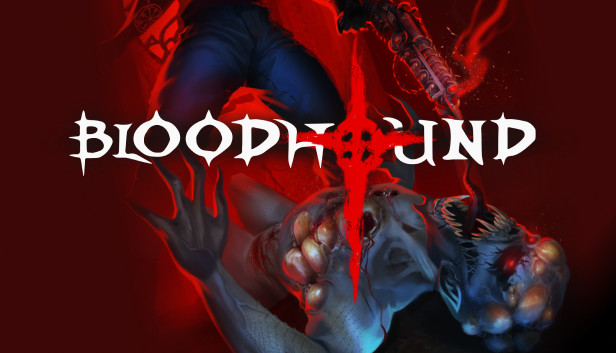
Bloodhound
Genre: FPS
Platform: PC, XBOX Series X, XBOX Series S, PlayStation 4, PlayStation 5
Languages: Ukrainian, Spanish (Spain), Portuguese (Portugal), Portuguese (Brazil), Russian, Japanese, Korean, French, Bahasa Indonesia, Belarussian, Chinese (Simplified), Javanese, German, Czech, Italian
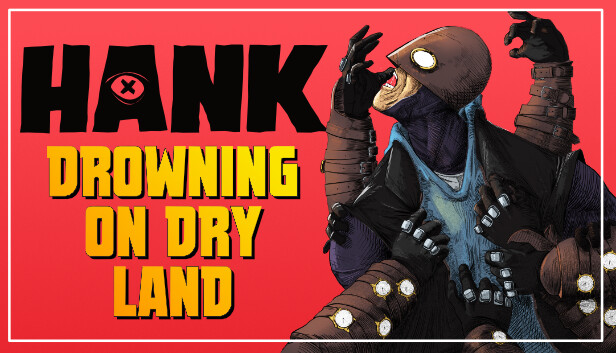
Hank: Drowning On Dry Land
Genre: Adventure
Platform: PC
Languages: English, Italian, German, Spanish (Spain), Chinese (Simplified)
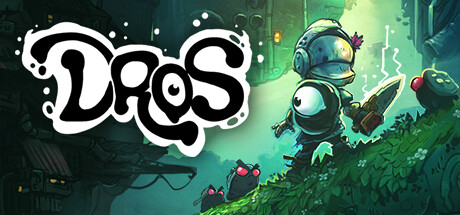
DROS
Genre: Action, Platformer, Adventure
Platform: Steam, Nintendo Switch
Languages: French, German, Spanish,
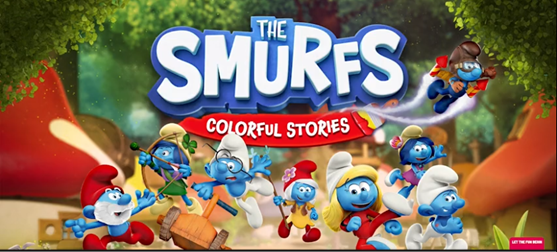
The Smurfs: Learn and Play
Genre: Training, Party, Utility
Platform: Switch
Languages: English, Spanish, Italian
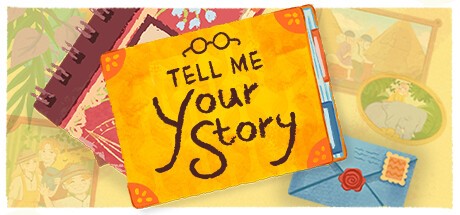
Tell me your story
Genre: 2D, adventure, point & click, puzzle
Platform: Steam, Switch
Languages: French, Spanish, Italian, Arabic, Turkish, German, Danish
Producing a computer game is not an easy task, as you have to control many issues. These include the programming side of the project, the plot, the entertainment mechanisms, the difficulty levels, the graphics, etc. If you are planning to release the game on many markets, then it is also worth considering another issue: the language versions that positively affect the reception of the game in the target markets.
The client was a video game producer and publisher who was just setting up in the industry, a company created by Polish gaming and gameDV veterans who were preparing a new cyberpunk computer game. Work on the game is still ongoing – the company wants to prepare the various language versions before the official premiere, allowing them to simultaneously enter several international markets. We helped them demonstrate the great potential behind the product.
Game translation is a process of converting video game content and audio files from the source language into the target language so that players from diverse backgrounds can access, understand, and enjoy it. It involves a translation of: game content, product packaging, instructions, terms & conditions, marketing materials, menu, messages etc.
Video game translation process bridges the gap between countries and people, allowing gamers to explore and appreciate titles from different regions. Additionally, having a localized version of a popular game can flare up interest, thus increasing its reach to prospective customers all over the world.
Even if you have not heard the term “game localization” yet, chances are good that you have enjoyed its benefits already. Localization is the process of taking a game and making sure it works in any country – including yours! It requires extensive research, knowledge of the target market and local gaming habits, consideration of the specific sense of humour, voice-overs by the best voice actors, and much more.
Translation: The game localization typically starts with a translation. All the content gets translated into the language of the region, in which the game will be released.
Editing and proofreading: The translated content is reviewed for any inconsistencies and typos. In this stage, any grammar and spelling errors that may have occurred during the translation process are corrected.
LQA – Linguistic Quality Assurance: The translation accuracy is verified before introducing it to the game.
Integration: At this stage, a coding update is carried out to incorporate the translated elements into the game. In addition, UI/UX modifications are made to ensure the content displays correctly.
Regional adaptation: In some countries, blood, skulls, or religious symbols are not allowed in the gaming industry. Additional consideration must be given to violence and sexual content.
Audio localization: When the content is ready, voice actors are cast, recorded, and overseen to make sure that dubbing reflects local dialects and accents.
By ensuring that all text, dialogue, and even images in video games are properly localized for each market, companies allow players from all over the world to fully enjoy their games in their own native language. It gives a wide range of benefits for both users and game developers:
- Broadening your audience: Localization helps attract new players who would otherwise not be able to enjoy your game.
- Increasing revenue: Game localization helps your game penetrate new markets and increase your game’s sales and profits.
- Cultural sensitivity: Localization can ensure that your game is culturally appropriate in different regions.
- Positive player experience: Game localization can improve the player experience by removing language barriers and making the game immersive and engaging.
The game localization should always be done by a native speaker. This is an industry standard at an international level. The native speaker possesses a level of language proficiency that can not be achieved by a language learner. Let’s take a look how the process looks like:
1. The client submits a text and a style guide (or other supporting files) and a dead-line is set.
2. The Project Manager formats files for translation purposes and sends them to the contractors.
3. Translators begin work. Moreover:
a. If the client has requested a glossary, we follow the guideline and provide a lexicon within an agreed deadline or at the end of the translation.
b. We can create a questionnaire or a communication channel between the translator and the client to open the possibility of asking and answering questions.
4. The translator finishes the work or its part. Now, it is time for independent verification and proofreading.
5. After proofreading, the text undergoes quality control.
6. The text is ready, and we send it to the client.
7. The client tests the new language version directly in the game and shares his feedback with us. If there are any changes required, we introduce them.
8. The translation process is completed after introducing the changes.
Translating video games can be a challenging process. In Skrivanek, we strive to make it as smooth as possible for game developers. We are a high-quality translation agency with more than 30 years of experience in different types of services, including online websites, e-commerce, e-learning, software, and game localization. Our professionals work with multiple languages, offering a broad choice of options for our customers. We offer quality assurance: the translated content is tested and re-assessed for a seamless user experience. Your game will transform soon into an easily recognizable title to the global audience!